
Your color is costing you.
"You can see it, but you can't map it yet."
That means you know your app looks a little crazy, but you don’t know how to fix it without destroying the whole code.
So what do you do? You don’t spend six months in meetings talking about feelings and branding. You take the 15-minute Color Call. 15 minutes! That’s less time than it takes for me to figure out what I want to watch on Netflix. You sit down with a professional, he points out exactly where the money is leaking out of your software, and you fix it. Stop shipping sloppy work and get your money back!
Is this for you?
Half of y'all love shipping sloppy work. You look at a glitched layout at 4:55 PM on a Friday and say, “Looks good from my house. Hit deploy, I got happy hour in ten minutes.” If that's you, close the tab. I don't want your money.
I only work with people who refuse to ship sloppy work:
You actually own a product with a UI.
And no, UI isn't a new rapper. It's your User Interface, the face of your business. If your UI looks crazy, your whole company looks crazy.
You know color leaves the station with every single deploy.
Every time your dev team pushes an update, the colors shift. It's like a train leaving the station without checking if the track is finished. One day it's sleek, the next day it's a sickly neon green because "Kevin" in engineering thought it looked modern. Now your users think they logged into a scam website.
You believe accessibility is a promise, not a corporate checklist.
Most companies treat accessibility like a terms-and-conditions page. You just scroll to the bottom, click 'I agree,' and pray nobody sues you. But if you treat color-blind users like an afterthought, you broke a promise. You built an app for everyone, but made the text so light they need a magnifying glass and a flashlight just to find the checkout button.
Sound familiar?
Let's be real for a second: You look at your screen, something feels off, the colors don't match, and you can literally see your users hesitating before they click.
Come on, that ain't just a minor tech glitch. That confusion is a silent tax on your business, and it is actively killing deals before anyone even smells a contract.
I point out exactly where your work is broken. Then, I fix it.
Talk to me.
This opens your email app. Your info goes straight to me. Nothing is saved here.
me@corianoharris.comWhere to start.
15-min Color Call
Talk to me for 15 minutes. It's free. That is less time than it takes Red Lobster to bring out your appetizers. Just pointing out exactly where your app is leaking money and giving you a clear next step.
Screen Color Checker
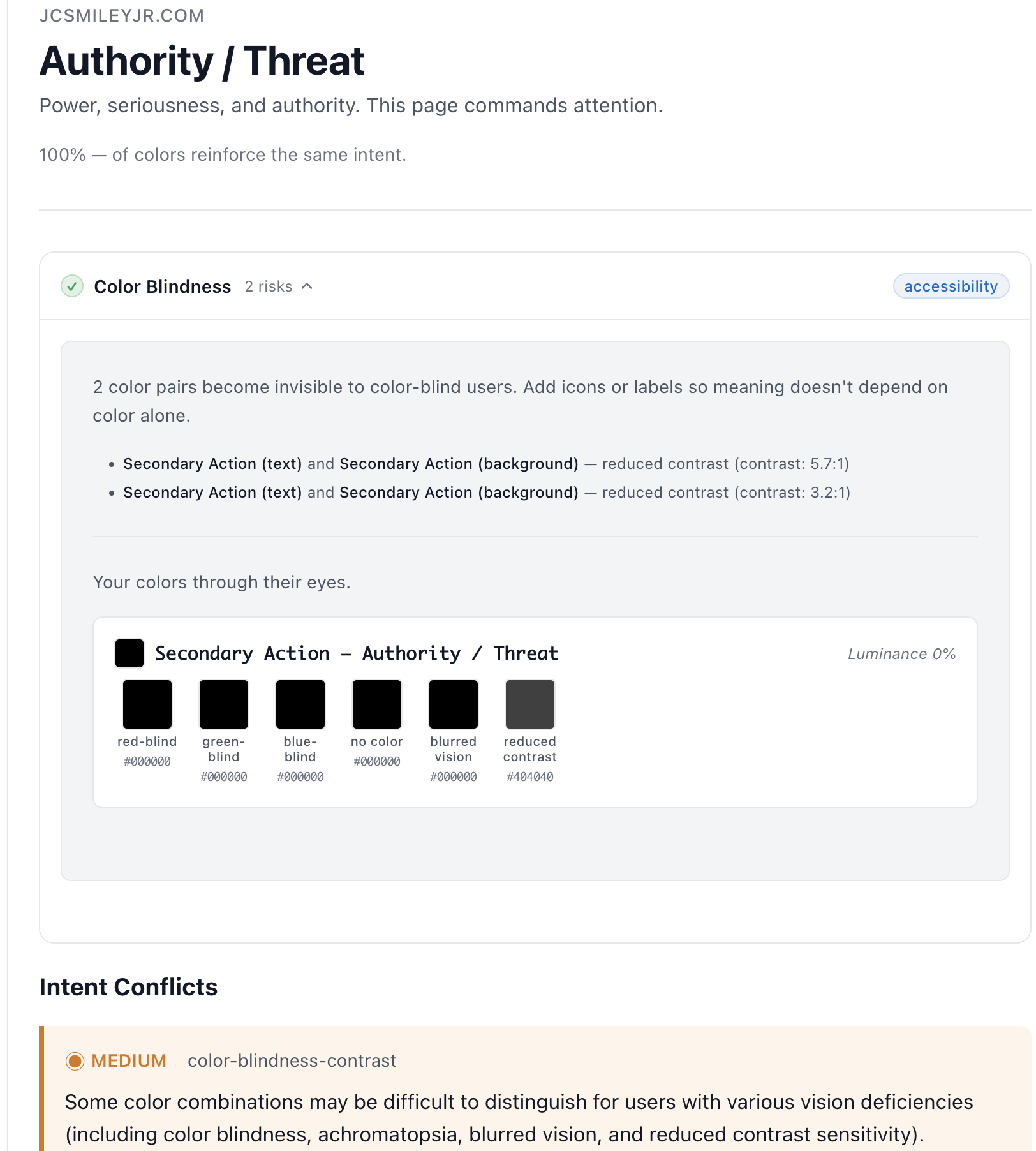
You think your website looks sleek, but to 10% of your users, it looks like a muddy football field after a rainy Sunday. Hand over a live link. I'll map out exactly what your layout is communicating and test what color-blind people actually see. Fast, clear, done.
The Color Naming Cleaner
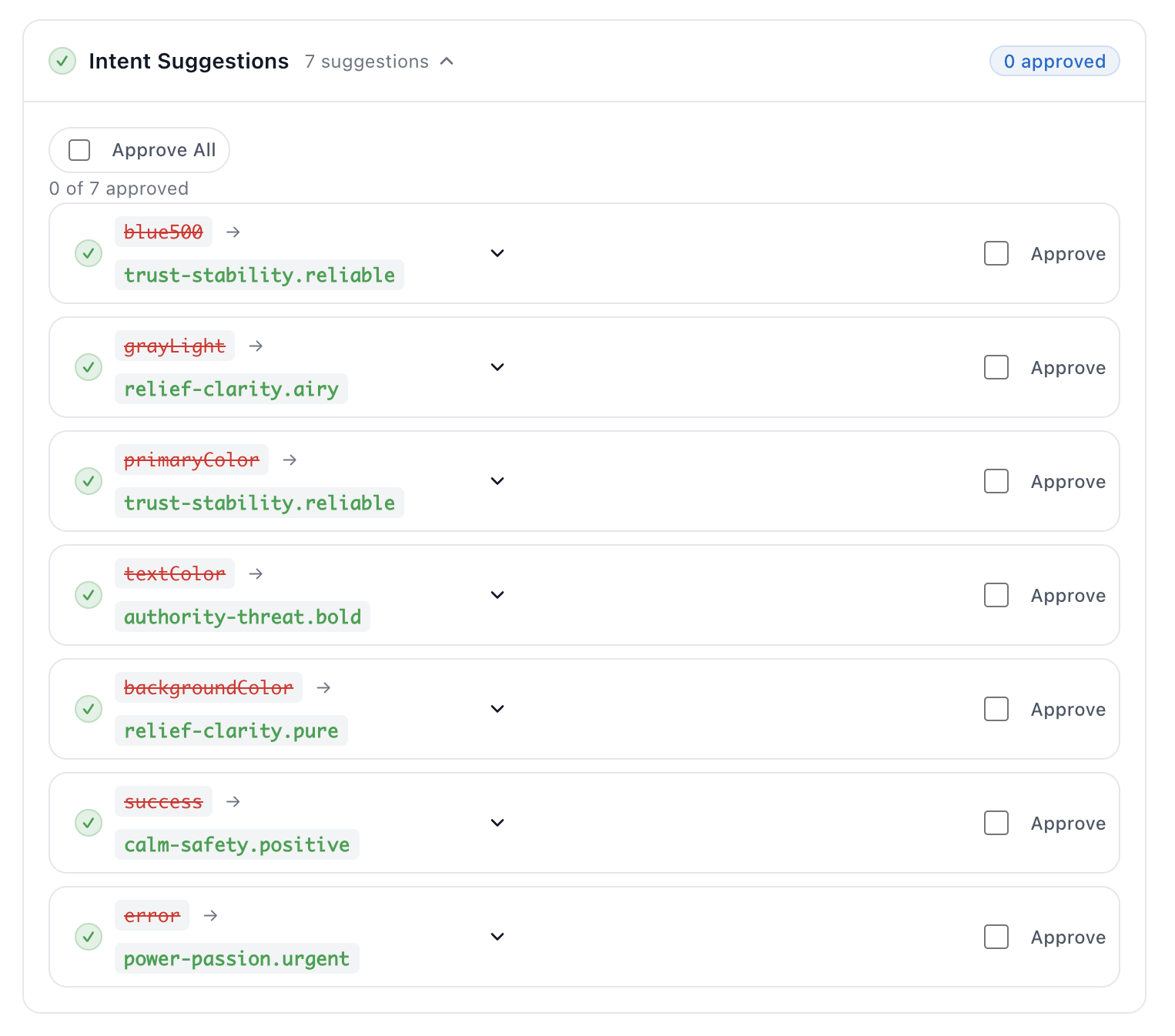
Your developers are in the back room naming code variables like they're working a Sephora counter. "Hey, did you deploy Slate-200 or Charcoal-300?" Nobody knows what that means! I scan your repository and rename every color so your whole team actually understands why it's there.
The Color Mood Finder
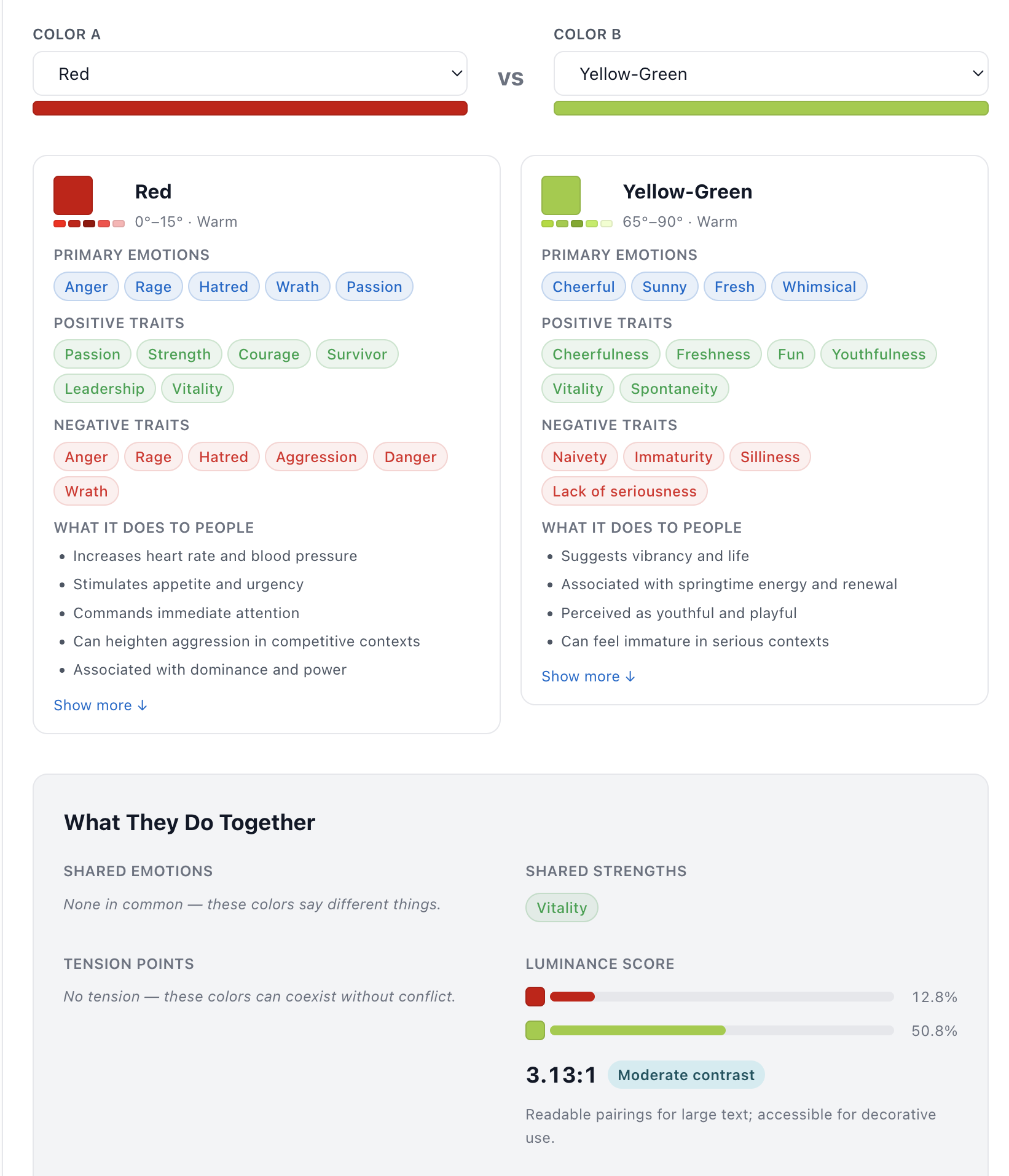
Colors make people feel things. If your checkout button is a weird, aggressive shade of red, people aren't thinking, "Let me buy this." They're thinking, "Oh snap, am I overdrawn? Is the FBI tracking me?" They hesitate. I test your full palette to make sure your users feel safe, happy, and ready to drop their credit card numbers.
The Color Code Book
We are throwing out the abstract nonsense. No more engineering teams arguing over whether a button should be "Midnight-700" or "Abyss-800" like they're reading a poetry book. I give you a clean, bulletproof naming structure where the code actually tells your developers exactly what the color does on the screen. No translation needed.
Want me to just stop by and set all these rules up in your system for you?
+ $1,800 per repository.How much is it costing you?
Pull the levers. See what's leaking.
We estimate ~30% relate to color and UI confusion.
Revenue Impact
Support Ticket Costs
Revenue you're leaving on the table
A 1% conversion lift is conservative. Most clients see 2–3x that.
Total Annual Cost
$451,560
That number will still be there Monday morning. The 15-min call is free.
Book the free 15-min call